PwC-Dvara Research survey of 4,000 Bharat households
FinTech BizNews Service
Mumbai, July 8, 2026: For over a decade, India's financial inclusion story has been measured in accounts opened and cards issued. The next chapter has to be measured differently, according to PwC India's survey in partnership with Dvara Research Foundation, titled 'Rethinking financial health for meaningful impact.' The survey, which covers 4,000 households across 18 districts in seven states, analyses the findings of the Financial Health Survey (FHS) — a baseline diagnostic of household financial well-being across India's underserved 'Bharat' segment.
Financial health, as defined in the report, is a state where households have enough financial security to meet current needs, plan for the future, and handle financial shocks with confidence. It goes beyond traditional access and usage metrics to capture whether financial products are genuinely improving lived outcomes — resilience, confidence, and the ability to absorb income volatility.
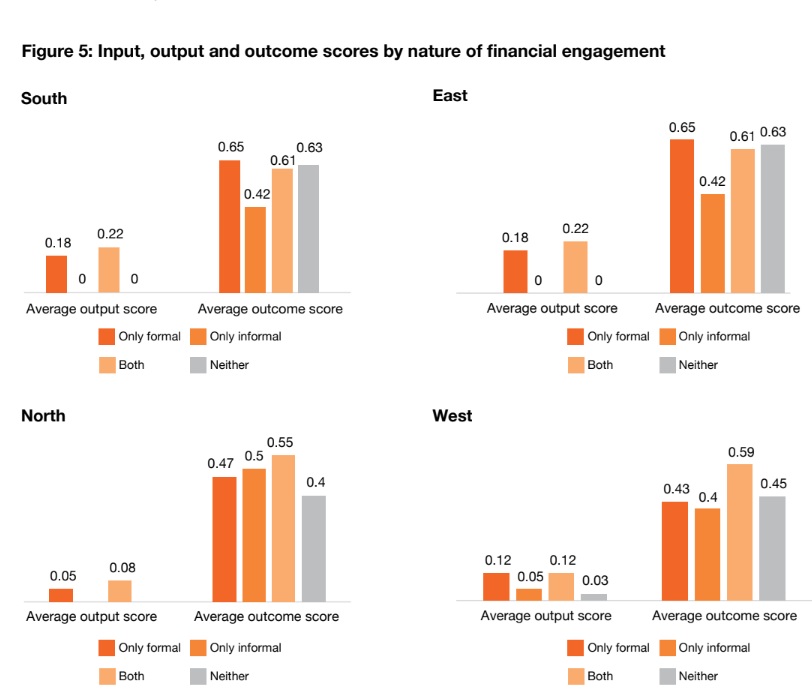
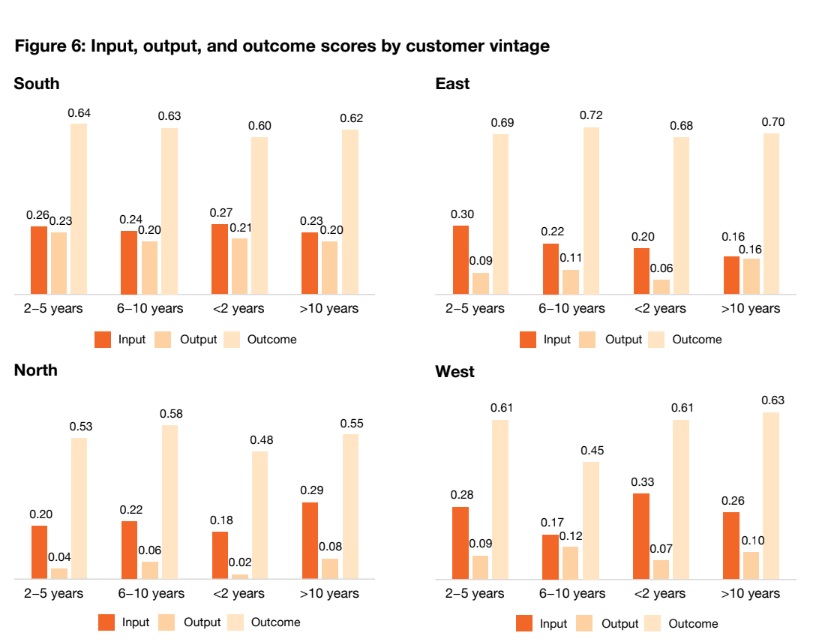
The FHS adopts an input–output–outcome framework, where inputs track access to products and touchpoints, outputs capture how households use and engage with these options, and outcomes measure whether they can meet needs, absorb shocks, and plan ahead with confidence. This approach is aligned with the RBI's National Strategy for Financial Inclusion (2025–30), which itself marks a shift from counting accounts to tracking whether finance actually improves financial security and resilience.
Vivek Belgavi, Partner and Leader, Financial Services Advisory, PwC India, said: "India's financial services ecosystem has made remarkable progress in expanding access. The next frontier is financial health. That means designing products around real household cash flows, combining digital scale with human support, and measuring success through resilience, meaningful usage, and long-term customer outcomes."
Income volatility is the single biggest drag on financial health. Products built around fixed monthly salaries — rigid EMIs, RDs, annual premiums — structurally penalise the majority of the Bharat segment. The renter–homeowner divide is stark. 65% of renters in the East cannot mobilise Rs30,000 for an emergency, leaving this growing urban segment one shock away from distress.
Misha Sharma, Lead, Dvara Research, said: "India's inclusion story has delivered dramatic expansion in account ownership and credit, yet high rates of dormant accounts and the ongoing NPA stress in microfinance show that product ownership has not reliably translated into suitable use or improved financial lives. The FHS is our contribution to shifting the operative goal from financial inclusion to financial health — equipping providers and policymakers with the adaptive capacity to respond to customers' actual experiences of financial products."
Key insights from the report:
The findings carry a direct message for financial service providers: account openings and digital onboarding are necessary but no longer sufficient. FSPs must redesign credit, savings, and insurance products around irregular cash flows, pair digital channels with trusted human touchpoints, and measure success through resilience and lived outcomes — not just transaction volumes. Those that do will be best positioned to serve India's largest underserved market while meeting emerging regulatory expectations.
About the report:
'Rethinking financial health for meaningful impact' is a joint initiative of PwC India and Dvara Research Foundation, with survey support from Keshava Prabha Microfinance, RSB Insights, Haqdarshak, and AMFI West Bengal. The report establishes a baseline against which future waves will measure progress.
