Digital Payments Boom Driven By Rs100-Rs500 Transactions, Not Large Purchase
FinTech BizNews Service
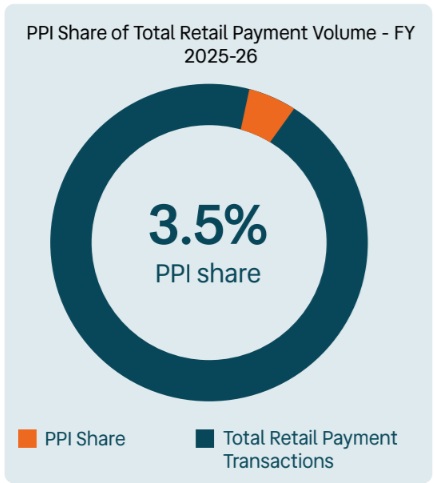
Mumbai, 12 June 2026: India's digital payments revolution is increasingly being powered by millions of small, everyday transactions rather than large-value purchases, according to a new study released by Pahle India Foundation. The study, "Prepaid Payment Instruments and India's Digital Payments Ecosystem", finds that while both transaction volumes and transaction values have grown significantly over the past six years, transaction volumes have expanded faster than values. This indicates that prepaid payment instruments (PPIs) are becoming deeply embedded in routine consumer behaviour and are increasingly being used for smaller, high-frequency transactions.
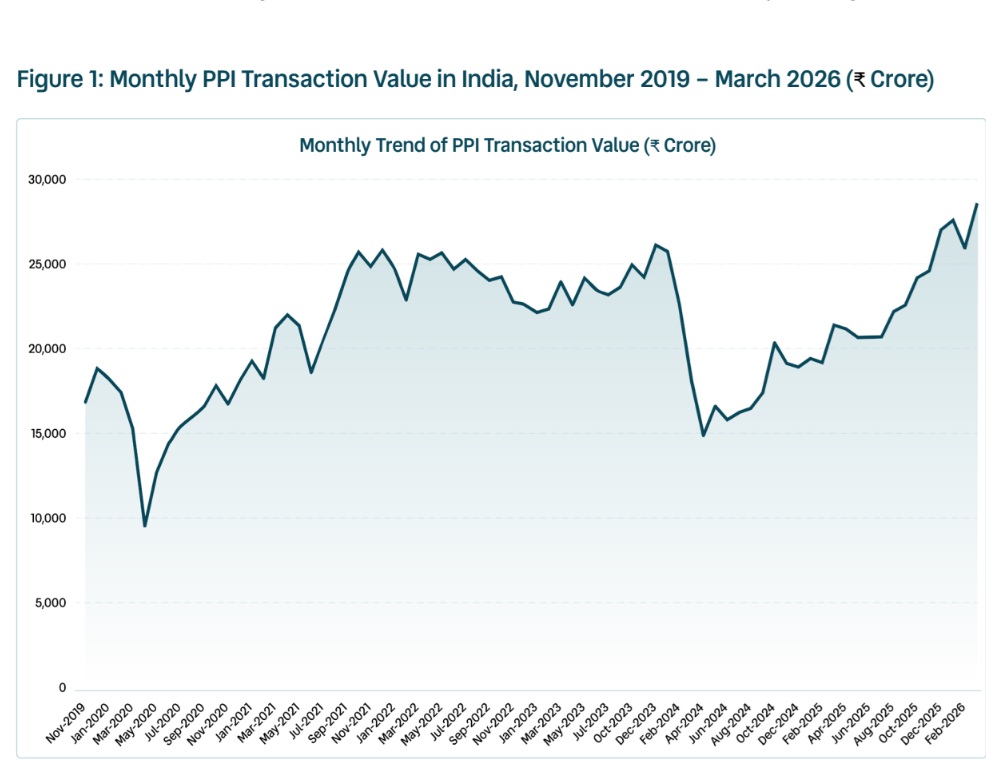
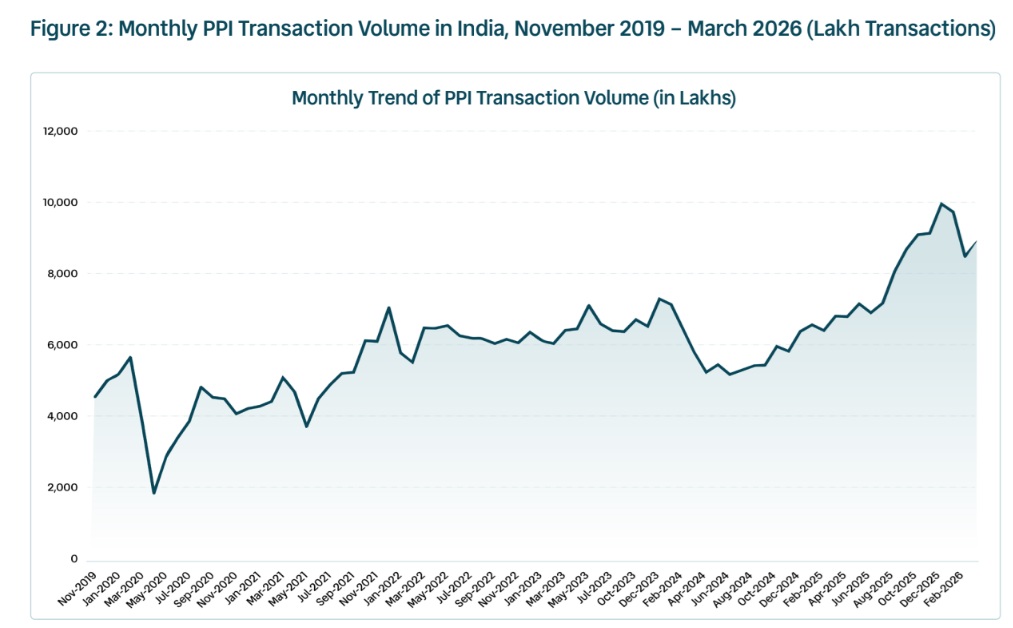
Monthly PPI transaction volumes rose from approximately 4,640 lakh transactions in November 2019 to nearly 8,750 lakh transactions by March 2026. Over the same period, transaction values increased from around Rs16,928 crore to over Rs28,500 crore. The faster growth in transaction volumes suggests that PPIs are increasingly facilitating day-to-day economic activity rather than occasional high-value purchases.
The study also argues that this shift reflects a broader transformation in consumer payment behaviour, with PPIs increasingly being used for merchant payments, utility bills, transport services, subscriptions, food delivery and digital commerce transactions.
"The evidence suggests that PPIs have become an important gateway to digital payments for millions of users. Their rapid adoption has been closely linked to convenience, accessibility and ease of use. As policymakers seek to strengthen consumer protection and operational resilience, it is important that regulatory interventions remain proportionate, evidence-based and supportive of continued adoption," said Dr. Suyog Dandekar, Senior Economist at Pahle India Foundation and co-author of the report.
The report notes that PPIs today support a wide range of users including consumers, gig workers, small merchants, digital platforms and financially underserved populations. For many first-time digital users, PPIs serve as an entry point into the formal digital economy by offering accessible and easy-to-use payment solutions.
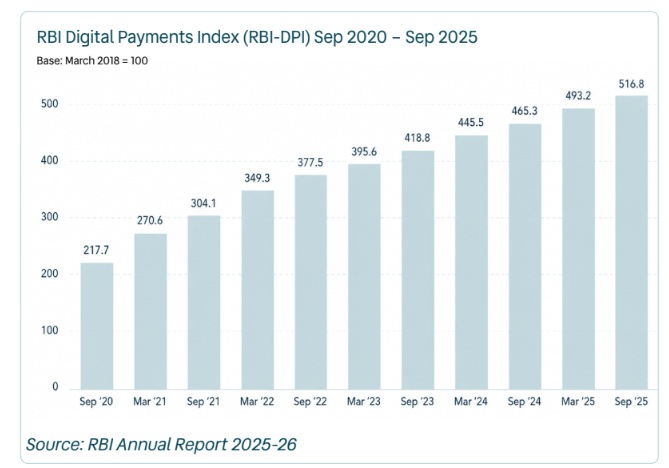
The study also highlights the broader contribution of PPIs to India's digital transformation. The RBI Digital Payments Index increased from 217.74 in September 2020 to 516.76 in September 2025, reflecting the rapid expansion of digital payments adoption across the country. PPIs have played an important complementary role alongside other components of India's digital public infrastructure.
Speaking on this, Surabhi Singh, Research Associate at Pahle India Foundation and co-author of the report stated that policy discussions around digital payments should recognise how consumer behaviour has evolved. PPIs are increasingly supporting low-value, high-frequency transactions that form part of everyday economic life and understanding this reality is essential when evaluating future regulatory interventions, she highlighted.
The report concludes that as policymakers seek to strengthen consumer protection and operational resilience, future regulatory frameworks should remain proportionate, evidence-based and mindful of the role PPIs play in supporting digital payments adoption, financial inclusion and ease of living. It also calls for preserving low-value, high-frequency use cases, conducting regulatory impact assessments before major policy interventions, balancing consumer protection with ease of access, and adopting phased implementation approaches for significant regulatory changes.
Pahle India Foundation
Pahle India Foundation is a homegrown think-and-action tank dedicated to putting India first by generating rigorous, evidence-based research and translating it into practical policy impact. Founded by Dr. Rajiv Kumar with a mission to strengthen India's public policy ecosystem, the Foundation combines research, technology and stakeholder engagement to support inclusive and sustainable economic development.
