Payments and merchant infrastructure emerged as a key theme, with discussions focusing on the transition from transaction-led models to platforms that enable intelligence, credit, and value-added services for merchants.
FinTech BizNews Service
Mumbai, 10 February 2026: Bharat Fintech Summit 2026, organised by The Digital Fifth, kicked off the first day of its much-anticipated fourth edition at Mumbai’s JW Marriott, Sahar, bringing together India’s leading innovators, policymakers, and industry leaders to discuss the future of fintech, digital payments, inclusive finance, and credit infrastructure. Day 1 set the tone for the two-day summit, with a strong focus on digital public infrastructure, payments evolution, MSME credit, AI-led decisioning, and the next phase of institutional fintech growth.
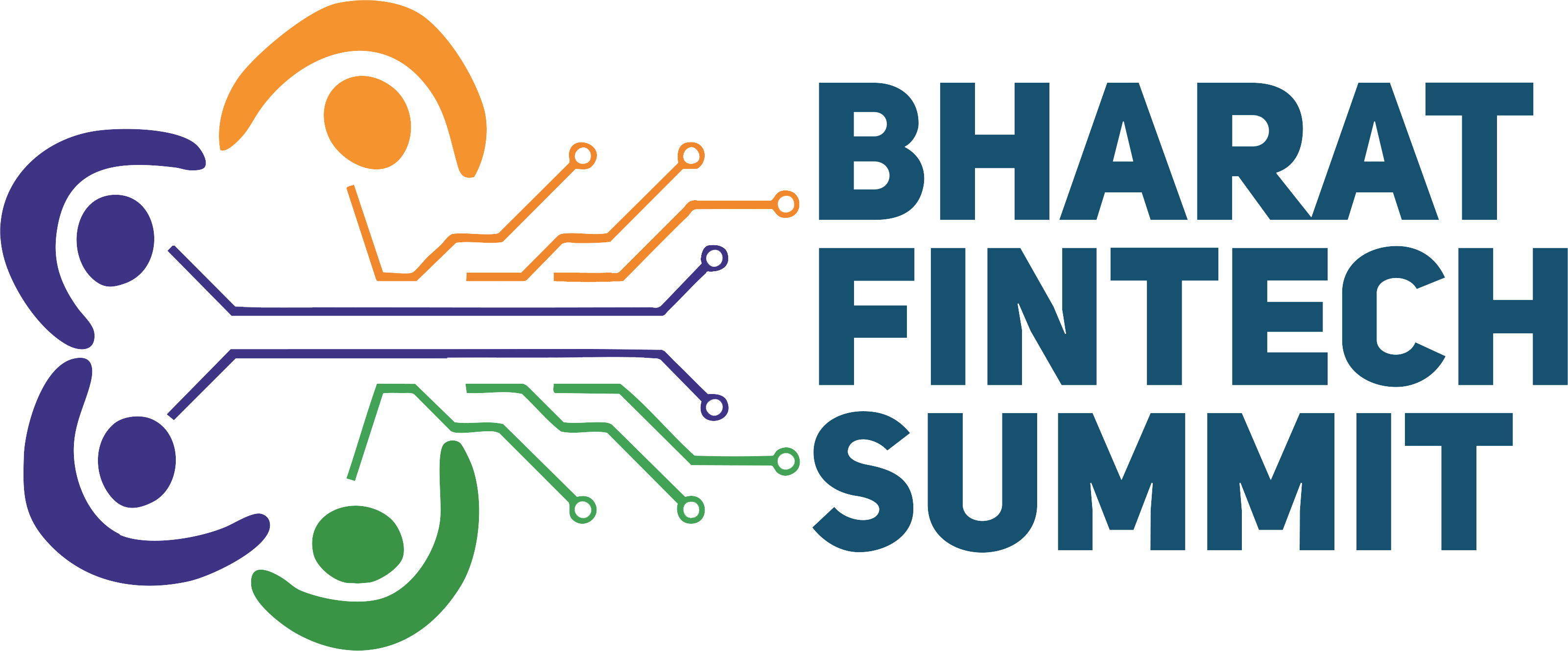
The summit opened with a lamp-lighting and inauguration ceremony led by Chief Guest Shri Neelkanth Mishra, Chairman, Unique Identification Authority of India (UIDAI), followed by keynote addresses examining the role of digital identity, data, and platforms in strengthening India’s financial infrastructure. Early sessions explored the future of Aadhaar-enabled services, the evolution of digital identity, and the foundational rails supporting fintech innovation.
Across three parallel tracks - Transformation, Payments & Investment, and Lending, Risk & Compliance - Day 1 featured keynotes, panel discussions, masterclasses, and product demonstrations. Sessions addressed a range of themes, including digital payments monetisation, merchant acquiring in a UPI-led market, MSME lending, AI-driven credit decisioning, collections modernisation, and the use of data and governance frameworks to manage risk at scale.
Notable sessions included “The Growth Playbook for Digital Payments” by Sohini Rajola, Executive Director - Growth at NPCI; “From Global Playbooks to India-First Thinking” by Sameer Singh Jaini, Founder and CEO, The Digital Fifth; “Optionality as a Leadership Strategy” by Baskar Babu Ramachandran, MD & CEO, Suryoday Small Finance Bank Limited; and “AI That Impacts Business: How Large NBFCs Are Using AI at Scale to Reduce Credit Risk, Improve Collections, and Drive Profitable Growth” by Sudipta Roy, MD & CEO, L&T Finance, which examined how banks are balancing physical, digital, and phygital models. Panels such as “The MSME Lending Playbook 2030”, “Instant Credit Nation”, and “The New Playbook for Merchant Acquiring in a UPI-Led Market” brought together leaders from banks, NBFCs, and fintech firms to discuss how technology, data, and partnerships are reshaping access to credit and financial services.
Payments and merchant infrastructure emerged as a key theme, with discussions focusing on the transition from transaction-led models to platforms that enable intelligence, credit, and value-added services for merchants. Sessions also examined how account aggregators, AI, and embedded finance are being deployed to improve underwriting, collections, and operational efficiency.
On the sidelines, the inaugural day hosted ‘Investment Day’, a dedicated capital-access platform that convened over 50 high-potential startups with leading venture capital firms. The participating startups are building next-generation solutions across payments, lending, regtech, wealth and investment platforms, AI, and advanced analytics—collectively shaping the next phase of growth for India’s fintech ecosystem. Prominent investment institutions including Bessemer Venture Partners, Nexus Venture Partners, BeeNext, IIFL Fintech Fund Cedar Hill Capital, Razorpay Ventures, Asha Ventures, and Mela Ventures were in attendance, underscoring the strategic importance and depth of engagement at the forum.
Day 1 of the summit also marked the launch of the Embedded Supply Chain Finance Report, a curated industry report spotlighting 100 high-potential MSMEs and the structural realities shaping India’s small business ecosystem. The report examines how MSMEs across sectors are navigating access to credit, digital payments, operational formalisation, and growth capital amid a rapidly evolving financial landscape. Drawing on insights from MSME founders, lenders, fintech platforms, and ecosystem enablers, the report highlights persistent gaps between credit demand and supply, uneven adoption of digital financial tools, and the growing role of embedded finance and data-led decisioning in enabling sustainable MSME growth. It also outlines the conditions required for MSMEs to transition from transactional access to long-term financial integration within India’s digital public infrastructure.
Commenting on the opening day of the summit, Sameer Singh Jaini, Founder and CEO, The Digital Fifth, said the discussions reflected a maturing fintech ecosystem. “Day 1 made it clear that the conversation has moved beyond digitisation to institutional decision-making. Whether it was payments, MSME credit, or digital identity, the focus was on how systems are being designed for durability, governance, and scale. The launch of the Final 100 – MSME Report added important context by grounding these conversations in the realities businesses face on the ground,” he said.
Shashank Shekhar, Co-founder, The Digital Fifth, said the breadth of discussions pointed to increasing convergence across the ecosystem. “Across sessions today, there was strong alignment on the need for integration — across credit, payments, data, and risk frameworks. What stood out was the shift towards building financial infrastructure that supports long-term outcomes, particularly for MSMEs, rather than isolated products or short-term growth,” he said.
The summit will continue on 11 February 2026 with discussions on AI in financial services, regtech infrastructure, capital and investment trends, cross-border fintech expansion, and the Fintech & Digital Excellence Awards 2026.
Bharat Fintech Summit 2026
The Bharat Fintech Summit is envisioned as a two-day content focused industry conclave dedicated to fostering meaningful discussions and deliberations on the ever-evolving landscape of the BFSI sector, with a specific focus on digital transformation.
This summit serves as a platform for sharing collective wisdom with a diverse ecosystem, including regulators, key BFSI stakeholders, banks, NBFCs, fintech innovators, investors, industry associations, and technology solution providers.
