The conversation also turned to geopolitics and the future of digital infrastructure. In a world trending toward multipolarity, Kamath argued that the assumption that global platforms such as WhatsApp, Instagram and centralised AI models will remain neutral infrastructure is increasingly fragile.
FinTech BizNews Service
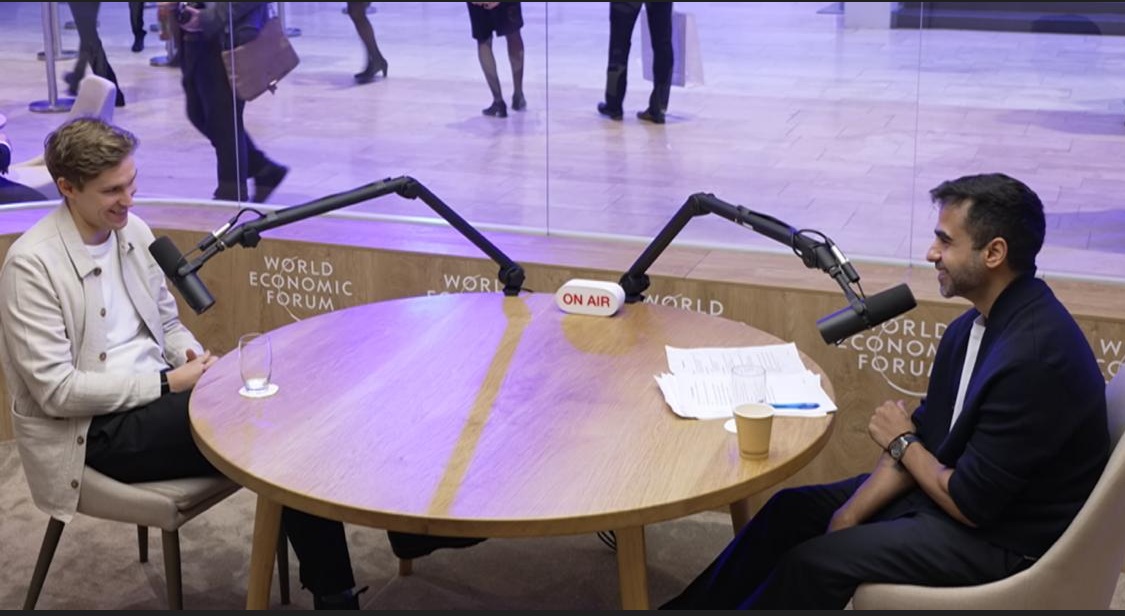
Mumbai, March 12, 2026: In a wide-ranging conversation on People by WTF, investor and entrepreneur Nikhil Kamath sat down with ElevenLabs CEO and co-founder Mati Staniszewski to explore the future of voice AI, emerging hardware, and the growing importance of technological sovereignty.
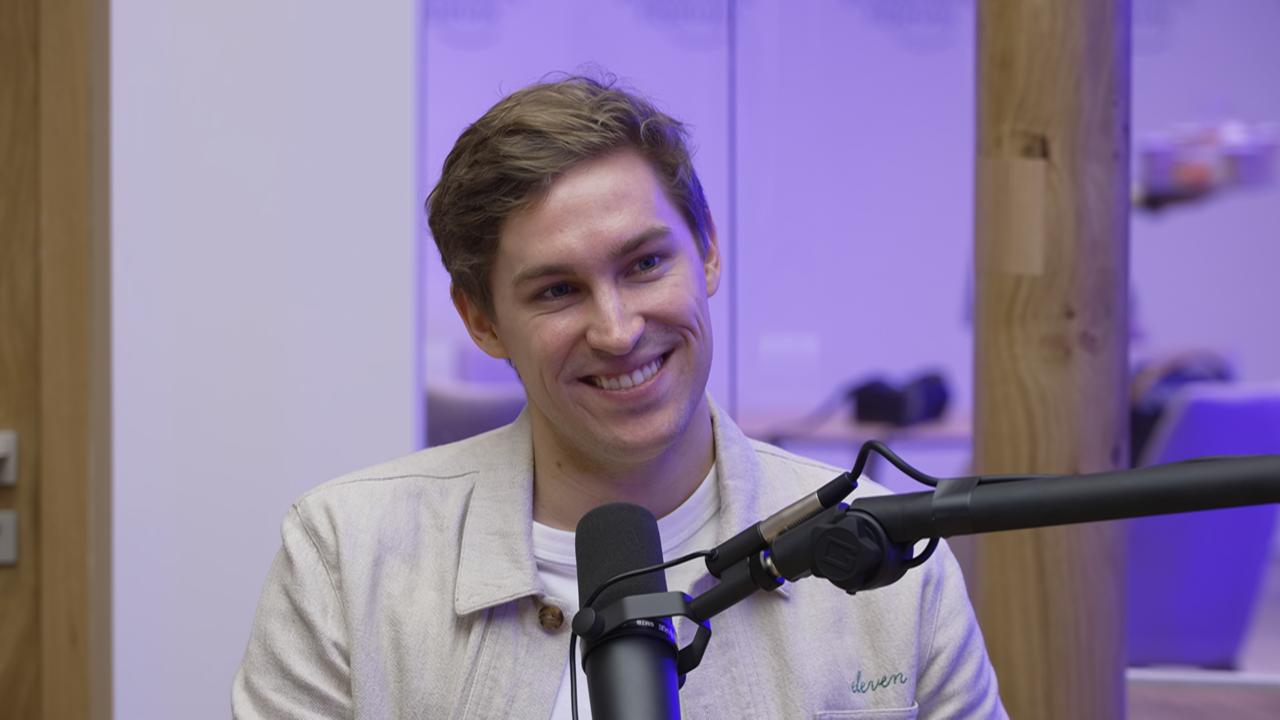
ElevenLabs CEO and co-founder Mati Staniszewski
Kamath has staked out a clear position: voice may become the next interface that reshapes how citizens engage with technology, media and each other, and India cannot afford to let that future be built elsewhere.
In the conversation with Staniszewski, CEO and co-founder of ElevenLabs, the world's leading voice AI company, Kamath explored everything from AI hardware investment theses to the fragility of global tech platforms in an era of rising geopolitical tension. Running through the exchange was a consistent thread: a frustration with how power flows through technology, and a conviction that the coming wave of voice AI could either widen or narrow the distance between those who shape the world and those who live with it.
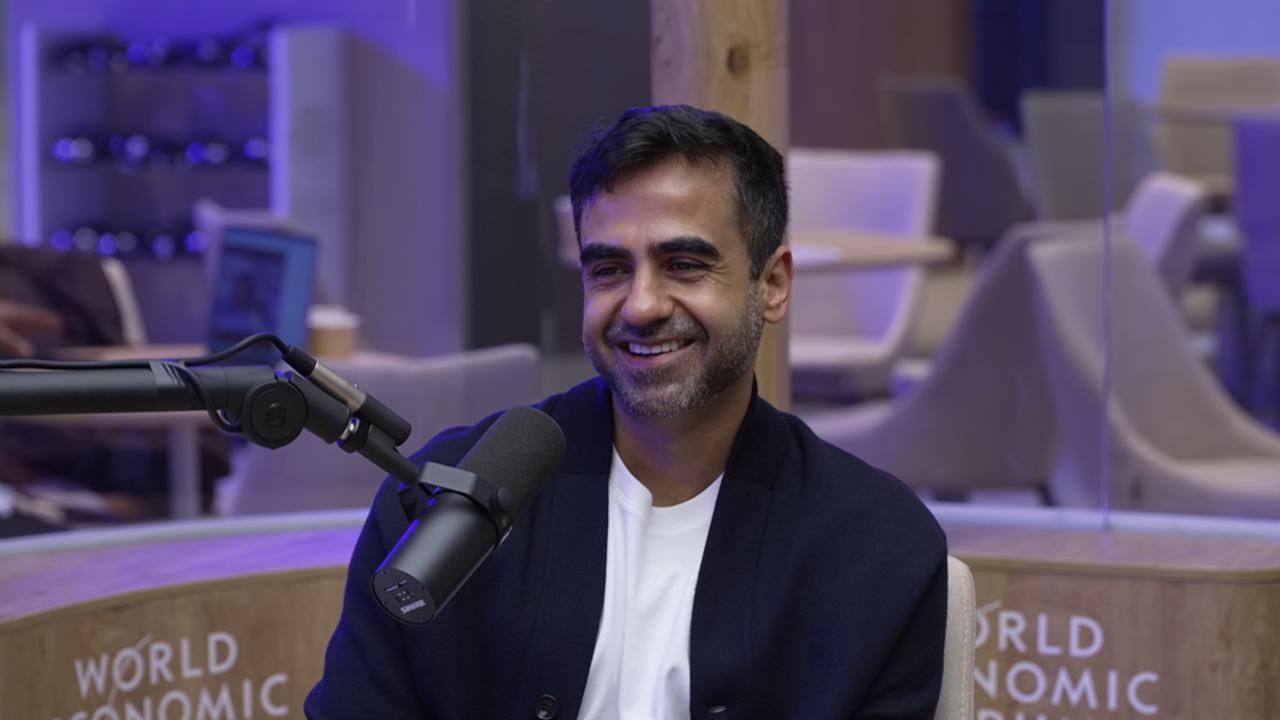
Investor and entrepreneur Nikhil Kamath
Kamath has long spoken about the gap between decision-makers and the people affected by those decisions. In his conversation with Staniszewski, that concern found a concrete outlet. Discussing the potential of always-on AI voice devices such as earbuds, pendants and ambient companions, Kamath pressed on what it would mean if real-time translation, personalised knowledge delivery and voice agents became available to everyone, not just the English-speaking and globally connected elite.
“Nobody seems to have cracked voice yet. But if they do, if it translates without latency, if it becomes the natural interface, that changes who gets to participate.”
Staniszewski, whose company powers voice AI for companies such as Meesho, MasterClass and TVS Motor, as well as the dubbing of Lex Fridman's interview with Prime Minister Narendra Modi, described a roadmap for making voice technology truly universal. He pointed to three critical elements: foundational model quality that feels human, seamless knowledge integration, and the right hardware form factor.
Kamath, who revealed he is an investor in Nothing, the London-based consumer technology company led by Carl Pei, expressed hope that AI-native hardware could help bring this vision to life in emerging markets.
The conversation also turned to geopolitics and the future of digital infrastructure. In a world trending toward multipolarity, Kamath argued that the assumption that global platforms such as WhatsApp, Instagram and centralised AI models will remain neutral infrastructure is increasingly fragile.
“I don't like the fact that a foreign nation controls the algorithm that defines the mood, nature and evolution of the youth of my country.”
Staniszewski noted the compounding power of network effects and the global appetite for shared infrastructure. Kamath, however, suggested that when governments begin weaponising the tools people rely on, network loyalty can dissolve far more quickly than expected. He pointed to China and Russia not as models to emulate, but as evidence that alternatives become possible when the incentive is strong enough.
For Kamath, this is not just a policy concern but a practical one for entrepreneurs. He has often encouraged young founders in India to avoid building entirely on platforms that may eventually compete with them.
“Don't end up in a world where an Android or an Apple can charge you 20% to live on that platform,” he said. “Diversify. Hedge. Build on open source where you can.”
The conversation also surfaced a project Kamath has been quietly developing: a social platform designed specifically for India. Not a super app, which he noted has struggled outside China, but something more focused. A space where verified individuals can engage in discourse that rewards curiosity and debate rather than outrage.
“I think there's an emotion you can design for that sits further right on the spectrum — curiosity, the pleasure of sounding smarter, the thrill of genuine debate. You don't need to trigger hate to keep people engaged.”
By the end of the conversation, Staniszewski floated the idea of collaboration: ElevenLabs providing voice infrastructure while Kamath's ecosystem supplies community, content and an India-first perspective. No formal announcement was made, but both described the space as one whose time may have arrived.
“There is no AI social product today. The space is wide open.”
For Kamath, the stakes extend beyond technology. Across his work in investing, content and community building, he has consistently described a broader objective: shrinking the distance between the people who make consequential decisions and the people who live with those consequences.
Voice AI, if it reaches its potential, could become one of the rare technologies capable of serving that goal. It could give anyone with a phone or a pair of earbuds access to personalised, multilingual and expert-level knowledge that was previously available only to the well connected.
The risk, as Kamath sees it, is that this moment passes with the infrastructure owned by the same actors who already control much of the digital ecosystem. The opportunity is that India, with its scale, linguistic diversity and entrepreneurial momentum, moves quickly enough to build something of its own.
“Companies that combine domain knowledge and build quickly will be huge,” Staniszewski told Kamath. “The window is now.”
Kamath, as ever, appears to be taking notes. The full episode is available on YouTube.
About People by WTF
People by WTF is a global podcast platform hosted by Nikhil Kamath, featuring in-depth conversations with leaders across business, policy, technology, culture and academia. The show explores long-term institutional, technological and economic questions shaping global society through candid, high-signal dialogue.
Past guests include Elon Musk, Prime Minister Narendra Modi, Bill Gates, Nandan Nilekani, Ranbir Kapoor and Kumar Mangalam Birla.
