While technology and artificial intelligence form an important backdrop, the conversation moves decisively beyond tools and trends,focusing instead on how governments are built, how leaders earn trust, and why youth participation in politics is becoming increasingly critical.

FinTech BizNews Service
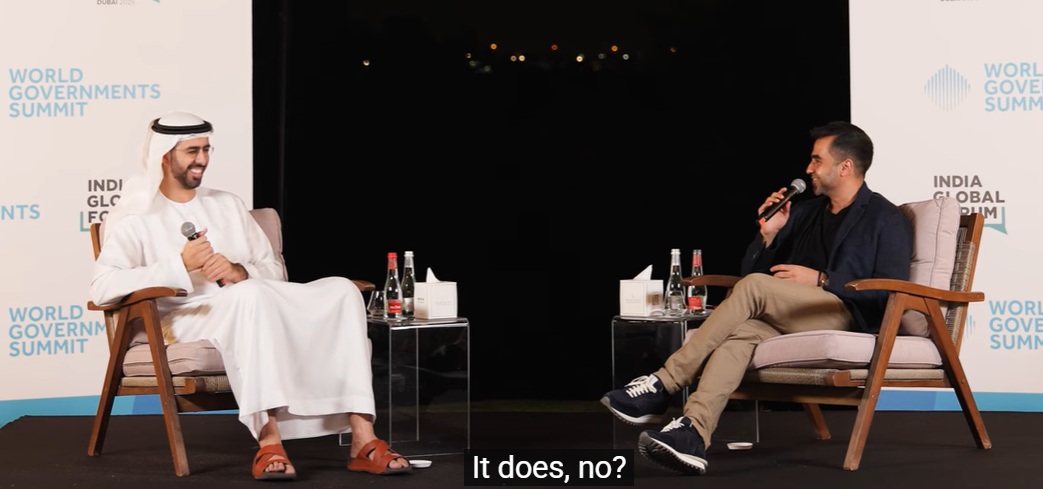
Mumbai, 13 January 2026: In a wide-ranging and deeply reflective episode of People by WTF, investor and entrepreneur Nikhil Kamath sits down with Omar Sultan Al Olama, one of the youngest ministers globally and the UAE’s Minister of State for Artificial Intelligence, Digital Economy, and Remote Work Applications, for an unfiltered conversation on governance, political responsibility, leadership, and how power must evolve in a rapidly changing world.
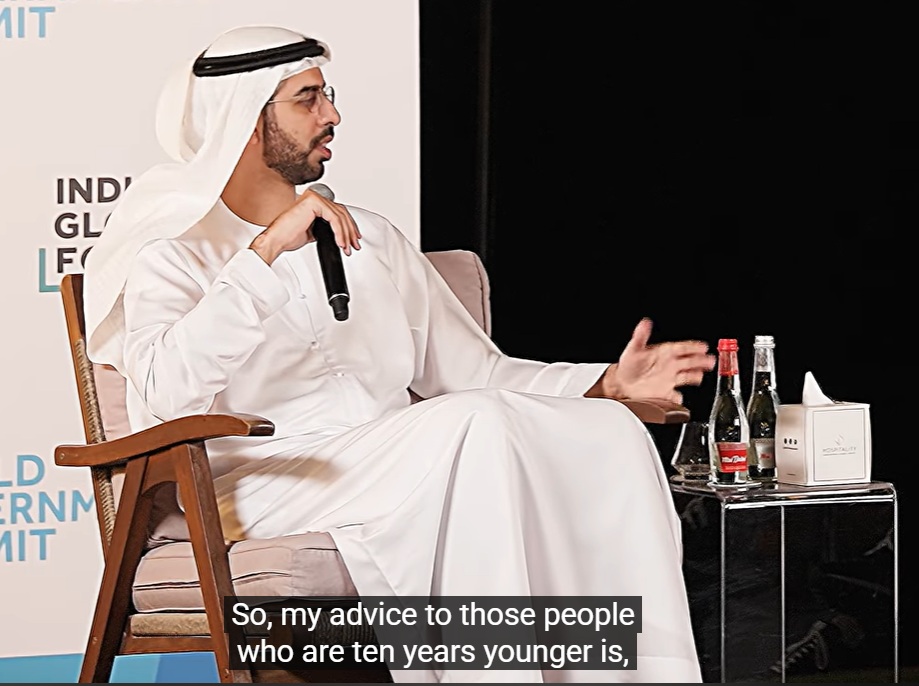
While technology and artificial intelligence form an important backdrop, the conversation moves decisively beyond tools and trends, focusing instead on how governments are built, how leaders earn trust, and why youth participation in politics is becoming increasingly critical. Drawing from his experience in public office, military service, and policymaking at a national scale, Omar offers a rare inside view of governance that prioritizes daily human realities over rhetoric.
10 MAIN KEY THEMES
1. AI as a National Equaliser, Not a Tech Buzzword
Omar frames AI as a structural shift in global power. For the first time, population size and geography stop being decisive advantages. Nations that embrace AI decisively can outperform much larger economies. The future belongs to countries that treat AI as infrastructure, not experimentation.
“Delay is not neutral — countries that hesitate will permanently fall behind.”
2. Breadth of Intelligence Beats Specialisation in the AI Era
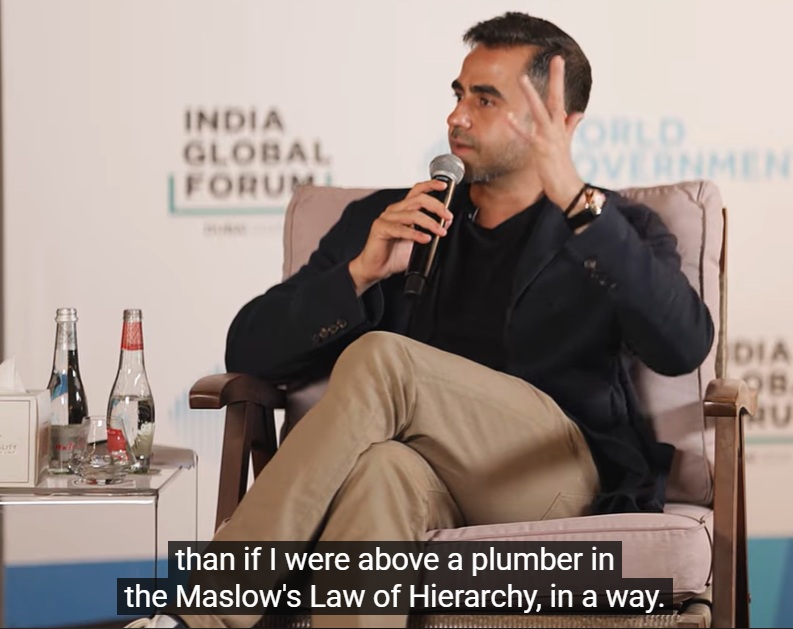
Omar challenges modern career thinking. Hyper-specialisation makes humans easier to replace, not safer. AI will always outperform narrow expertise. The human edge lies in broad intelligence: understanding systems, connecting disciplines, and making decisions under uncertainty. The “jack of all trades” is not obsolete — he is resilient.
“In an AI world, specialisation is efficiency — breadth is survival.”
3. Productivity Is Rising While Social Fabric Is Weakening
The conversation highlights a growing paradox. AI boosts productivity but erodes social interaction. Omar cites examples like “rent-a-friend” services to illustrate how loneliness itself is becoming monetised. As efficiency rises, societies risk losing community, empathy, and shared experience.
“The future risk isn’t job loss alone — it’s the quiet collapse of community.”
4. Leadership Must Prioritise Daily Necessities Before Vision
One of the most grounded insights comes from Omar’s military service. In extreme heat, surrounded by young cadets, he realises people don’t think about AI or innovation when basic needs are unmet. Food, safety, dignity, and stability must come first. Progress only matters after survival is secured.
5. Impact Matters More Than Money or Power
Omar dismantles the idea that wealth or authority automatically create change. Money and power are neutral tools. Impact depends entirely on how they are used. True leadership is measured by outcomes that improve lives, not by accumulation or control.
“Kamath reinforces this by questioning whether modern success metrics have drifted too far from real-world
outcomes.”
6. Legacy Is Built Through Systems, Not Visibility
Rather than chasing recognition, Omar focuses on building institutions and infrastructure that endure. Icons like the Museum of the Future matter because they outlive individuals and continue creating value. Legacy is not about remembrance, but relevance over time.
7. Governance Works Best When It Feels Invisible
Effective government, Omar argues, should not intimidate or interfere. Its role is to quietly improve quality of life. When systems function seamlessly, citizens don’t feel governed — they feel supported. Trust grows when governance disappears into reliability.
8. Corruption Is a Leadership Problem Before a Systemic One
Corruption does not start at the bottom. It cascades downward from leadership behaviour. When leaders are ethical, fairly compensated, and purpose-driven, corruption loses oxygen. Strong checks and zero tolerance reinforce culture, but example sets it.
9. Neutrality and Dialogue as Strategic Strengths
In a polarised world, Omar positions neutrality as power. The UAE’s ability to engage with all sides is rooted in history and necessity. Dialogue, trade, and cooperation are framed as stabilising forces in a fragmented global order.
10. Wisdom Is the Real Counterweight to Impulse and Restraint
Rather than glorifying aggression or restraint, Omar reframes leadership maturity as wisdom: knowing when to act, when to pause, and when to listen. In an age of constant reaction, discernment becomes the rarest leadership skill.
The discussion opens with a fundamental question around power and representation in the modern world. Omar explains that governance today is less about control and more about outcomes, arguing that credibility is earned when systems work quietly and consistently for people. In this context, technology becomes an enabler of governance rather than its centrepiece, helping states deliver services more efficiently, transparently, and at scale.
As the conversation turns to leadership and political responsibility, Omar challenges the assumption that experience must always be tied to age. As one of the youngest ministers globally, he makes a compelling case for youth in politics, arguing that younger leaders bring urgency, adaptability, and a lived understanding of the systems shaping everyday life. Youth, he suggests, are not inexperienced observers but active stakeholders in the future being designed today.
Reflecting on his time in military service, Omar shares one of the most grounded insights of the episode. Recalling standing on a scorching tarmac alongside young cadets, he describes a moment of clarity — that when basic needs are unmet, policy frameworks and long-term visions lose relevance.
Food, safety, dignity, and stability must come first. Leadership, he argues, fails when it prioritises ambition over responsibility.
“If you are hyper-specialised, AI will eventually beat you at your own game. The only way humans stay relevant is through breadth — understanding systems, not just skills, and knowing how to make decisions when the answers aren’t obvious,” says Omar Sultan Al Olama, linking the same principle to governance and leadership.
The episode also examines how modern governance must navigate the unintended consequences of progress. While productivity and efficiency continue to rise, Omar reflects on how social cohesion and community are quietly weakening. He points to the increasing monetisation of loneliness as a warning sign, emphasising that good governance must protect not just economic growth but social fabric.
“What struck me most in this conversation was how grounded the idea of leadership really is,” says Nikhil Kamath. “Before technology, before ambition, before vision —leadership is about ensuring people are taken care of. Everything else comes after.”
As the discussion widens, Omar dismantles the idea that power or authority alone create impact. True political leadership, he insists, is measured by trust, fairness, and systems that continue to work beyond individual tenures. He speaks candidly about corruption as a leadership failure rather than a purely systemic one, noting that culture flows downward and example matters more than enforcement.
In a polarised global climate, the conversation turns to geopolitics and statecraft. Omar frames neutrality, dialogue, and cooperation as deliberate strategic choices rather than passive positions, highlighting how smaller nations can play stabilising roles by acting as connectors rather than competitors.
The episode closes with a reflection on wisdom as the defining quality of modern leadership. In an era driven by reaction, visibility, and instant judgment, Omar argues that discernment, restraint, and listening may be the most undervalued skills in politics today — particularly for a generation of leaders shaping the future in real time.
Catch the full episode of People by WTF featuring Omar Sultan Al Olama on YouTube:
Omar Sultan Al Olama on Governance, Youth Leadership, and the Future of Power | Nikhil
Kamath | People by WTF
