The next generation of fintech must democratize credit, intelligence, ownership, and opportunity: Maharashtra Chief Minister Devendra Fadnavis
FinTech BizNews Service
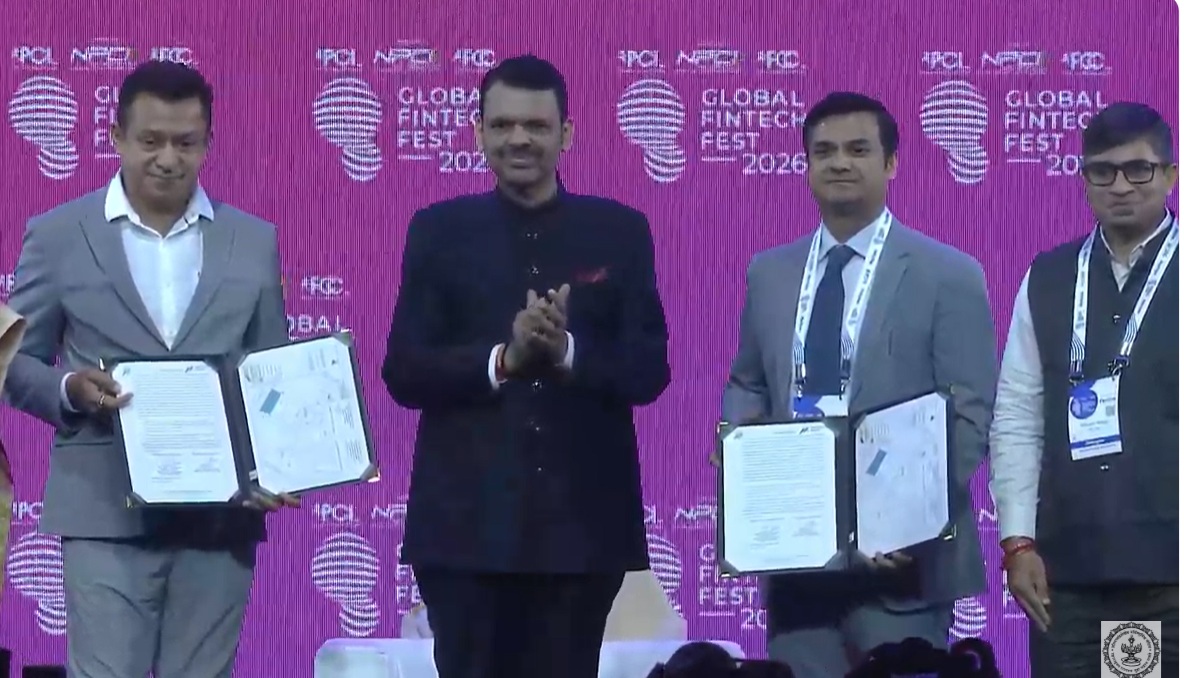
Mumbai, September 9, 2026: Maharashtra is putting in place the architecture of the Maharashtra Digitization and Exchange of Land Token Asset-The DELTA Act-to create a legal framework for blockchain‑based tokenization of land and other immovable assets, said Shri Devendra Fadnavis, Chief Minister of Maharashtra, at the Global Fintech Fest (GFF) 2026, being held from September 8–11, at Jio World Centre, Mumbai.
GFF 2026 is organised by the Payments Council of India (PCI), the National Payments Corporation of India (NPCI) and the Fintech Convergence Council (FCC).
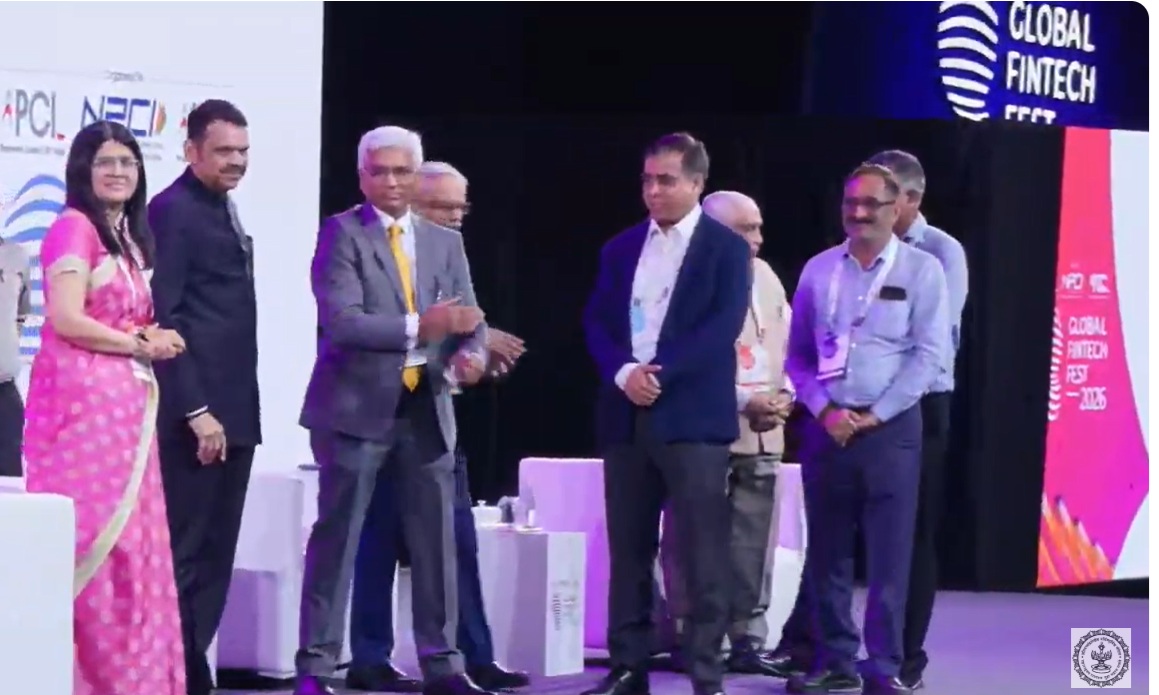
Addressing a session titled "Potential to Impact – Agentic AI, Tokenisation and Quantum," Shri Fadnavis spoke about how tokenisation and next-generation fintech could democratise ownership, capital and opportunity by unlocking dormant assets and making finance more transparent, liquid and accessible.
"For us, tokenization is not about speculation, it is about unlocking productive capital, bringing transparency, improving liquidity, and converting dormant wealth into economic opportunity," he said.
This vision extends beyond capital creation to making finance more accessible, inclusive and empowering for all. "UPI democratized transactions. The next generation of fintech must democratize credit, intelligence, ownership, and opportunity," he added.
Mr. Kris Gopalakrishnan, Chair, GFF 2026, Founder, Infosys, and Chairman, Axilor Ventures, remarked, "This year's inaugural session brings together three technology themes that will defi ne the next decade of finance: agentic AI, tokenization, and quantum computing."
"UPI succeeded not because the technology was clever, but because it was built as public infrastructure-open, interoperable, low cost, and designed from day one for inclusion," he said.
"If we keep inclusion, responsible adoption, security, and trusted systems at the center, India is exceptionally placed to lead," he added.
Also speaking at the session, Ms. Sohini Rajola, Executive Director, Growth, NPCI, said, “Over the years, GFF has grown alongside the Indian fintech ecosystem. It has evolved from a conference into a global platform where policymakers, regulators, central bankers, financial institutions, fintechs, technology companies, investors and academia engage with the structural questions shaping the future of finance. GFF has created a space where policy meet implementation, where innovators test ideas against institutional and regulatory realities, where global experience interact with India’s population-scale capabilities, and where conversations lead to tangible action.”
GFF 2026 is organised by the Payments Council of India (PCI), the National Payments Corporation of India (NPCI) and the Fintech Convergence Council (FCC).
The conference is supported by the Ministry of Electronics and Information Technology (MeitY); the Department of Financial Services, Ministry of Finance; the New, Emerging and Strategic Technology (NEST) Division, the Ministry of External Affairs; Niti Aayog; the Reserve Bank of India (RBI); the Securities and Exchanges Board of India (SEBI); the International Financial Services Centres Authority (IFSCA), and the Pension Fund Regulatory and Development Authority (PFRDA).
