For homebuyers, especially first-time and affordable housing customers, rate stability directly improves confidence around EMI planning and long-term affordability.

FinTech BizNews Service
Mumbai, 5 June 2026: The Monetary Policy Committee (MPC) held its 61st meeting from June 3 to 5, 2026, under the chairmanship of Shri Sanjay Malhotra, Governor, Reserve Bank of India. The MPC members Dr. Nagesh Kumar, Shri Saugata Bhattacharya, Prof. Ram Singh, Dr. Poonam Gupta and Shri Indranil Bhattacharyya attended the meeting. After a detailed assessment of the evolving macroeconomic and financial developments and the outlook, the MPC voted unanimously to keep the policy repo rate under the liquidity adjustment facility (LAF) unchanged at 5.25 per cent on 5 June 2026:
https://fintechbiznews.com/govtregulators/fii-investments-in-g-secs-exempted-from-income-tax
https://fintechbiznews.com/govtregulators/repo-rate-retained-525
Here are the viewpoints of the leading lenders on the RBI MPC’s decisions, which were announced earlier today:
PD Singh, CEO, India & South Asia, Standard Chartered Bank:

“The emphasis on enhancing financial inclusion through an increase in loan limits to MSMEs, supporting NBFCs, REITs (through Bank funding) and UCBs, further development of the corporate bond market and encouraging foreign flows are all measures that will help add further depth to the market.”
K Balasubramanian, India CEO & Banking Head and Indian Subcontinent Sub-Cluster Head, Citi:
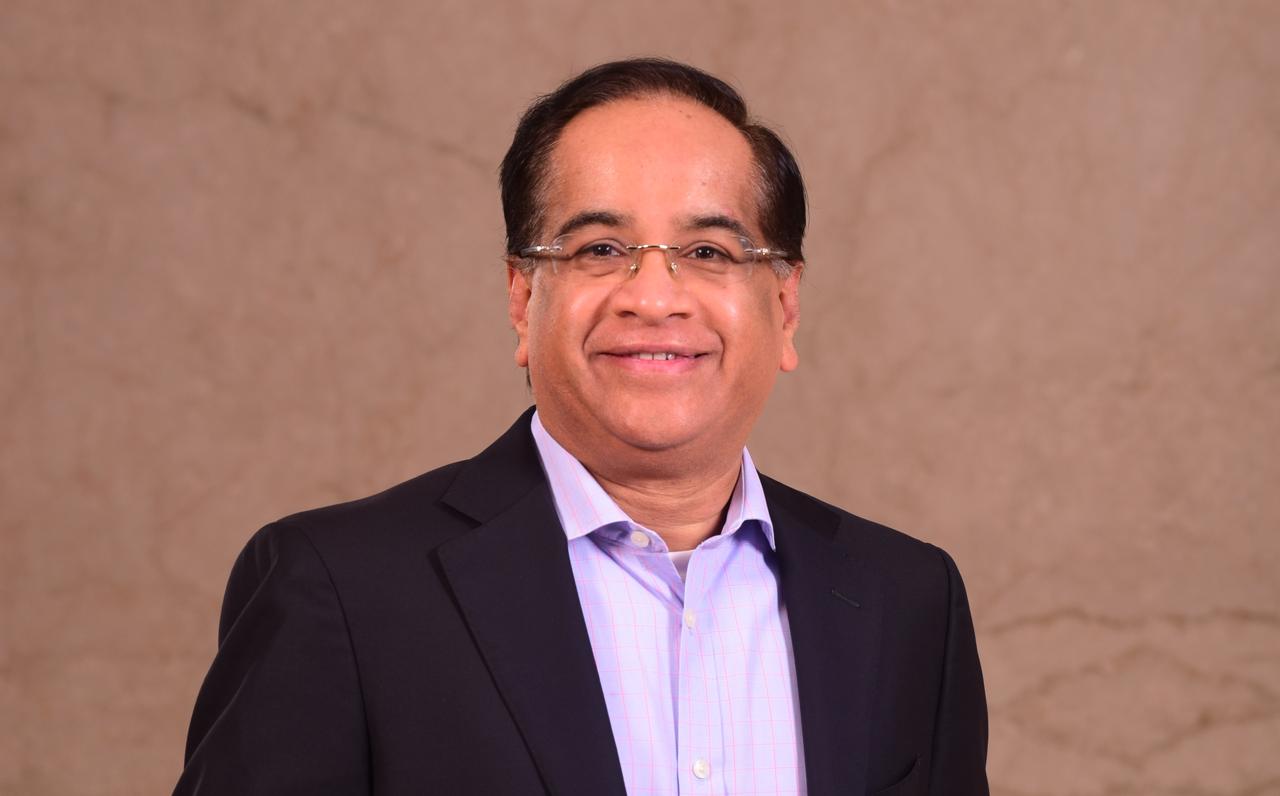
“While the RBI decided to keep the rates unchanged, the June policy has squarely addressed the two immediate challenges of rapid rupee depreciation and liquidity for the domestic banking system. The slew of policy measures announced today will not only catalyze a large quantum of capital inflows in the near term but also create the pathway for a more medium-term facilitation of foreign investment through removing frictions. These decisive policy actions will surely improve the resilience of India’s external sector to better navigate the geopolitical headwinds!”
Shri Challa Sreenivasulu Setty - Chairman, State Bank of India and Indian Banks Association (IBA):
“The RBI has struck a prudent balance by preserving growth while simultaneously addressing the external uncertainties. The measures announced to attract foreign capital through FCNR(B) deposits, government securities, overseas borrowings, and equity investments are timely and comprehensive. These steps should help enhance capital inflows, deepen bond markets, improve liquidity and provide support to the rupee. The proposed guidelines reflect a proactive approach to reinforce India’s macroeconomic and external sector resilience.”
Ravi Narayanan, MD & CEO, SMFG India Credit:

“The RBI’s decision to maintain the repo rate at 5.25% with a neutral stance is a masterclass in calibrated governance, providing vital macro-stability amidst evolving global supply-side headwinds. By prioritizing structural resilience and bolstering capital inflows, the central bank has successfully stabilized the rupee and insulated our domestic markets. At the grassroots, this policy infuses profound predictability for MSMEs and rural entrepreneurs—the very heartbeat of India’s growth story. For NBFCs like SMFG India Credit, this status quo ensures steady, affordable credit access, empowering small businesses to navigate volatile import-export dynamics and confidently expand operations. While the upward revision in inflation requires nimble risk management, the resilience of domestic demand remains uncompromised. We view this forward-looking framework as a powerful catalyst that builds deep confidence, paving the way for inclusive, robust growth across India's vibrant economic landscape in FY27.”
George Alexander Muthoot, Managing Director, Muthoot Finance:

"The RBI's decision to hold the repo rate at 5.25% with a neutral stance is a prudent and well-considered one given the current global environment. With supply-side pressures from elevated crude prices, the ongoing West Asia conflict, and potential El Niño risks weighing on inflation, preserving policy space while keeping the stance neutral reflects a measured and balanced approach to monetary management. A stable rate environment supports business confidence and sustained credit demand, while the neutral stance appropriately keeps options open as the global situation evolves. This policy reinforces confidence in India's macroeconomic fundamentals, and we expect growth momentum and credit offtake to remain resilient in the near term."
Sarvjit Singh Samra, MD & CEO, Capital Small Finance Bank:

"The RBI's decision to maintain the repo rate at 5.25% and retain a neutral stance is a measured and sensible response to the evolving global environment. While domestic inflation remains broadly under control, uncertainties arising from geopolitical tensions, elevated energy prices, currency movements, and the possibility of a sub-normal monsoon warrant a cautious approach. In such circumstances, preserving macroeconomic stability is essential to sustaining growth momentum.
For Small Finance Banks, this continuity is particularly positive. Our sector plays an important role in serving households, farmers, small businesses, and entrepreneurs across semi-urban and rural India. A stable interest rate environment supports credit affordability, encourages productive economic activity, and enables lenders to expand responsibly. For Capital Small Finance Bank, whose roots are firmly embedded in India's heartland, this creates a supportive backdrop to deepen financial inclusion, strengthen local economies, and continue delivering sustainable growth."
Salee S Nair, MD & CEO, Tamilnad Mercantile Bank:

The RBI's decision to maintain the policy stance amid heightened global uncertainty is timely and commendable. Governor Sanjay Malhotra's caution on inflationary pressures, driven by geopolitical tensions and elevated energy prices, reinforces the need to balance growth with stability. The government's move to exempt foreign investors from capital gains tax on government securities is a complementary step, one that channels stable foreign capital into India's debt markets, supports the rupee, and eases systemic borrowing costs.
The Indian banking system has demonstrated remarkable resilience, with system-wide credit growth of over 16% in FY26 and deposits growing by nearly 13.5%, underlining the sector's ability to support economic activity despite global headwinds. Banks are also witnessing a gradual shift in customer preferences towards savings and term deposits. Increased FPI participation in G-Secs is expected to keep bond yields range-bound, which will further support banks' treasury portfolios and create room for more competitive lending rates.
Abhimanyu Munjal, MD & CEO - Hero FinCorp:
"The RBI’s decision to keep the repo rate unchanged brings much-needed stability at a time when global uncertainties continue to weigh on economies worldwide. However, India remains well-positioned, supported by strong domestic demand and improving economic fundamentals.
For NBFCs, a stable interest rate environment provides greater clarity for planning and lending responsibly across retail, self-employed, and MSME customers. As more Indians gain access to formal credit, it is important to balance growth with prudent risk management and financial inclusion.
The financial sector today is stronger than it has been in years, with healthier balance sheets, better asset quality, and rapid digital adoption. Continued policy stability will help sustain credit flow, support entrepreneurship, and contribute to India’s long-term growth journey.”
At Tamilnad Mercantile Bank, FY26 saw total business grow 17.4% to Rs1.15 lakh crore, while deposits rose 14.9% to Rs61,712 crore and CASA deposits grew 22.3%, reflecting increasing customer confidence and savings-led behaviour. As an RBI-authorised agency bank with a strong capital adequacy position, TMB is well-placed to benefit from a stable interest rate environment and improved sovereign debt market dynamics both of which reinforce our focus on sustainable, deposit-driven growth.
Ravi Subramanian, Chief Executive Officer, Truhome Finance:
 “The RBI’s decision to keep the repo rate unchanged at 5.25% and retain a neutral stance is a constructive signal for housing finance, particularly at a time when the central bank has balanced inflation vigilance with growth support. For homebuyers, especially first-time and affordable housing customers, rate stability directly improves confidence around EMI planning and long-term affordability. The policy also comes against the backdrop of resilient domestic demand, projected GDP growth of 6.6%, and the RBI’s assurance of appropriate liquidity to meet the productive requirements of the economy, all of which are supportive for credit-led sectors such as housing. Importantly, with system-level NBFC parameters remaining sound, housing finance companies are well placed to deepen access in underpenetrated markets. Affordable housing remains structurally supported by urbanisation, nuclearization of families, formalisation of borrower cash flows, GST rationalisation on construction materials and government schemes such as PMAY. At Truhome Finance Limited, our focus remains on responsible expansion, especially among self-employed and emerging-market borrowers, as the affordable housing finance market is expected to show strong growth ahead.”
