The measures to deepen the cooperative banking ecosystem will further strengthen financial inclusion and last-mile credit delivery

FinTech BizNews Service
Mumbai, 5 August, 2026: The Monetary Policy Committee (MPC) held its 62nd meeting from August 3 to 5, 2026, under the chairmanship of Shri Sanjay Malhotra, Governor, Reserve Bank of India. After a detailed assessment of the evolving macroeconomic and financial developments and the outlook, the MPC voted unanimously to keep the policy repo rate under the liquidity adjustment facility (LAF) unchanged at 5.25 per cent. Consequently, the standing deposit facility (SDF) rate remains at 5.00 per cent and the marginal standing facility (MSF) rate and the Bank Rate remain at 5.50 per cent. The MPC also decided to continue with the neutral stance.
https://fintechbiznews.com/govtregulators/license-for-ucbs-resumed-after-20-yrs
https://fintechbiznews.com/govtregulators/rbi-to-rationalise-basis-on-interest-rates-for-res
https://fintechbiznews.com/govtregulators/rbi-retains-repo-rate
Here are the viewpoints of the leading bankers on the RBI MPC’s decisions, which were announced earlier today:
K Balasubramanian, India CEO & Banking Head and Indian Subcontinent Subcluster Head, Citi:
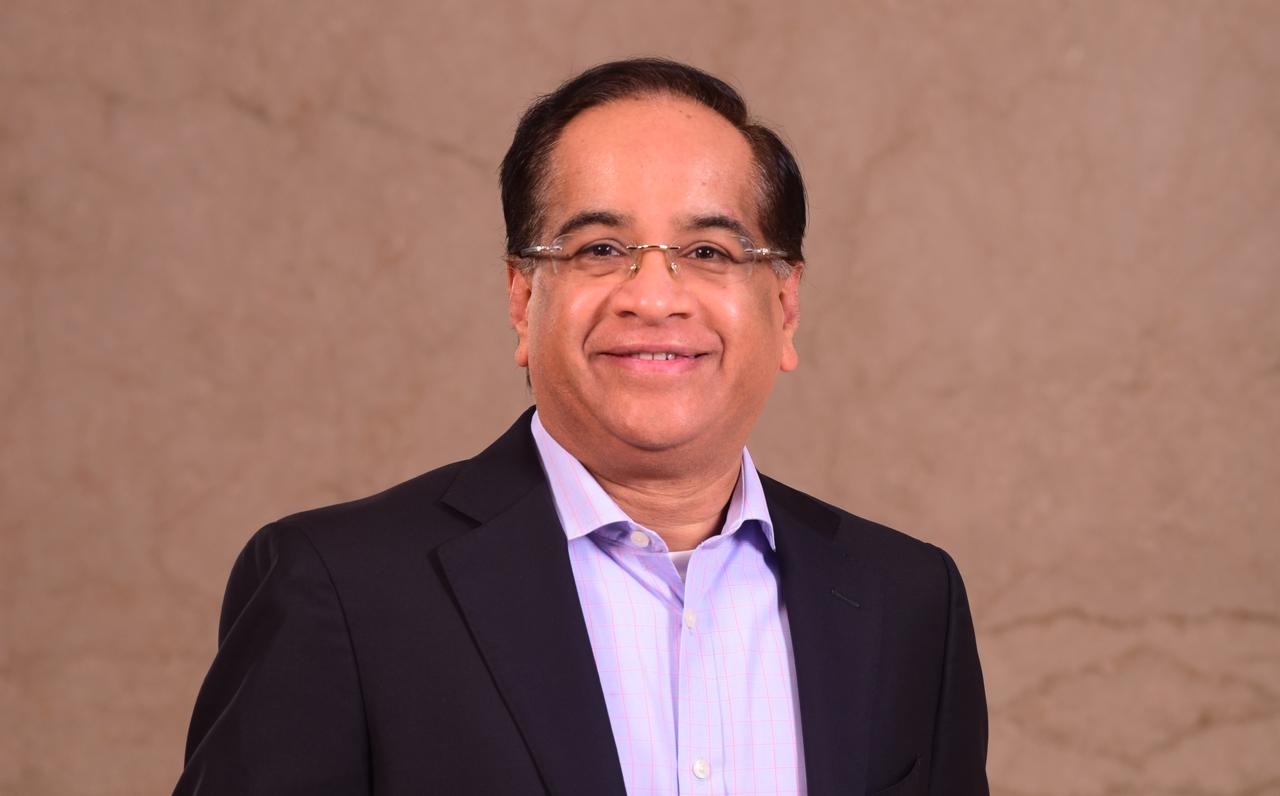
“The RBI’s decision to keep the repo rate unchanged is a prudent and welcome pause in the current context. This measured, wait and watch posture prioritizes growth and investment by lowering uncertainty, while keeping open the option to tighten if a sustained uptick in core inflation or imported inflation materializes. The decision strikes the right balance between preserving macroeconomic stability and supporting the next phase of India's growth journey.”
CS Setty, Chairman, State Bank of India & Indian Banks’ Association (IBA):
“The RBI’s decision to keep the policy rate unchanged while revising the growth outlook upward and the inflation forecast downward reflects a balanced and pragmatic approach. The policy guidance reinforces continuity while preserving macroeconomic stability.
On the regulatory front, the proposed review of the interest rate framework to enhance transparency in loan pricing and strengthen monetary transmission is a welcome step. The measures to deepen the cooperative banking ecosystem through the proposed resumption of on-tap licensing for Urban Cooperative Banks and addressing portfolio concentration in rural cooperatives will further strengthen financial inclusion and last-mile credit delivery.”
R Baskar Babu, MD & CEO, Suryoday Small Finance Bank:
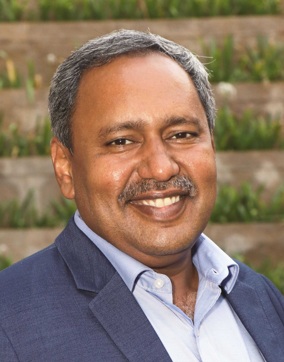
The RBI's decision to keep the repo rate unchanged at 5.25% reflects a balanced and prudent approach in the current environment, where domestic growth remains resilient. At the same time, global uncertainties continue to warrant caution. For Small Finance Banks, policy stability is particularly important, as it creates a conducive environment to deepen credit penetration across the retail, microfinance, and MSME segments while maintaining a disciplined approach to risk and profitability. It also helps manage funding costs more effectively in an increasingly competitive deposit landscape. The policy stance provides greater clarity on the interest rate outlook, which is positive for the banking industry as it supports effective planning of lending, deposit mobilization, and overall balance sheet management. We believe a stable macroeconomic and rate environment will support responsible growth, strengthen financial inclusion efforts and enable us to continue serving underserved customers and emerging entrepreneurs with greater confidence.”
Pralay Mondal, MD & CEO, CSB Bank:

"The RBI's policy decision is largely on expected lines and reinforces macroeconomic stability. Despite supply-side challenges, inflation remains well contained, while the central bank's liquidity measures continue to support credit flow and economic growth. The proposed framework for interest rates on advances is a welcome step towards greater transparency and uniformity in loan pricing, ultimately benefiting consumers."
Sarvjit Singh Samra, MD & CEO, Capital Small Finance Bank:
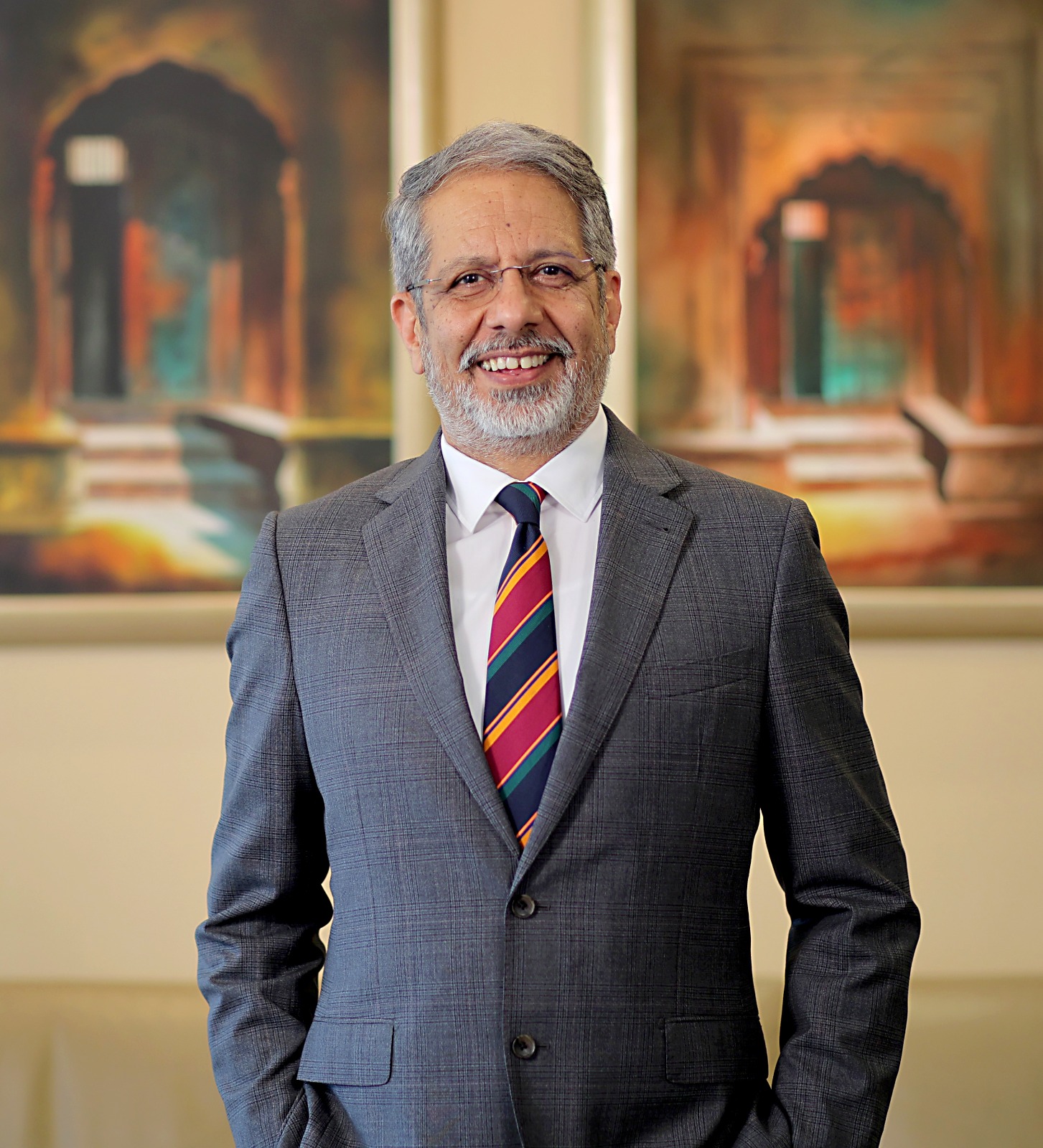
"The RBI's decision to hold the repo rate steady at 5.25% and retain a neutral stance is a considered response to an economy that continues to perform well. Despite renewed global uncertainties, India's economy continues to demonstrate resilience, supported by strong domestic demand, robust early corporate earnings, sustained strength in the manufacturing sector, and a projected GDP growth of 6.7% for the year. These factors give the Monetary Policy Committee room to maintain policy stability. A fourth consecutive review without a rate change is a statement of confidence in India's economic fundamentals.
For Small Finance Banks, this continuity provides greater certainty. Our bank serves households, farmers, traders, and small enterprises across semi-urban and rural India, where borrowing decisions are closely linked to business and income cycles. A stable interest rate environment helps customers plan ahead, encourages local investment and enables lenders to support credit demand sustainably.
At Capital Small Finance Bank, our roots are firmly embedded in India’s heartland, and this environment supports our focus on widening access to formal credit and strengthening local enterprise. With 97.4% of our loan book secured, we remain well positioned to pursue responsible lending and deliver sustainable growth.”
Mr Salee S Nair MD and CEO Tamilnad Mercantile Bank:

"The Reserve Bank of India's policy reflects a pragmatic response to an evolving global environment. While developments in West Asia could create risks for trade, energy prices and supply chains, India's resilient domestic demand, household savings and improving rural activity provide an important economic cushion.
The coordinated response of the RBI and banks is equally important. Measures to attract stable foreign-currency inflows through FCNR(B) deposits, alongside banks offering more competitive rates, can strengthen external liquidity and help cushion the rupee against global volatility. At the same time, banks must ensure that credit continues to reach productive sectors, particularly MSMEs, agriculture and businesses serving domestic demand. Cash-flow based lending, prudent underwriting and early engagement with borrowers will be critical to prevent temporary external shocks from becoming financing constraints.
At Tamilnad Mercantile Bank, with nearly 95% of our advances focused on Retail, Agriculture and MSME (RAM), we remain committed to responsible credit delivery and disciplined risk management. Together, RBI's policy support and the banking sector's ability to mobilise deposits and sustain lending can provide a meaningful buffer against external shocks and reinforce India's domestic growth engine."
Binod Kumar, MD & CEO, Indian Bank:
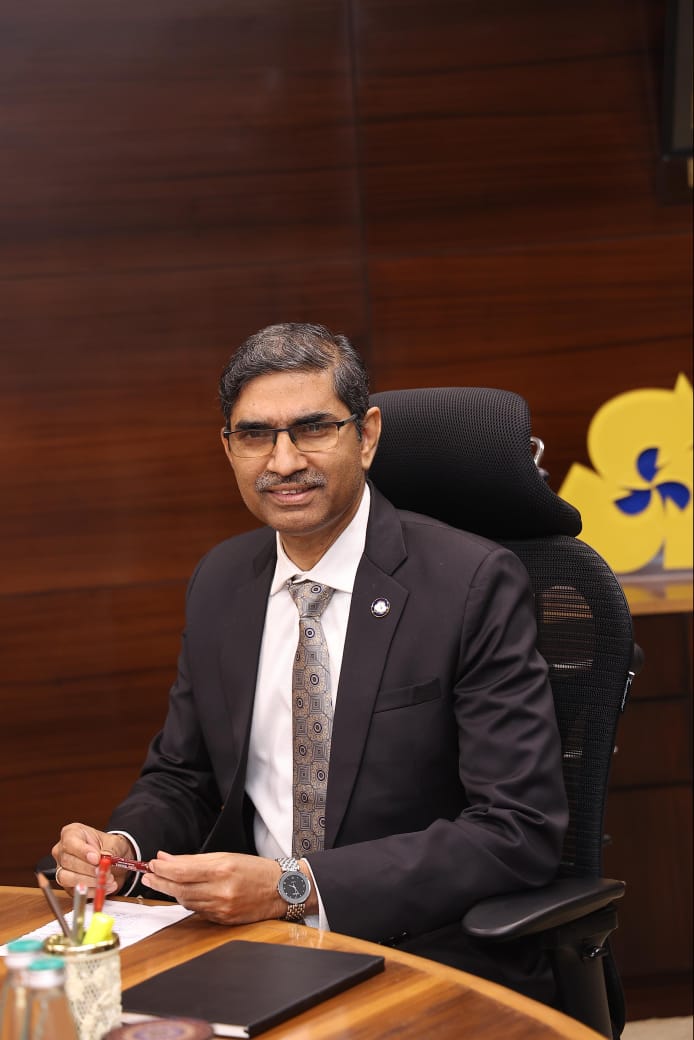
"Key policy rates remain untouched on expected lines. It will help in maintaining growth momentum. The upward revision in the growth forecast from 6.6% to 6.7% for FY 2026-27 reflects the resilience displayed by the Indian economy. It is heartening to note RBI's willingness to act in line with evolving macroeconomic conditions."
